Seismic activities are a common occurrence worldwide, posing a significant threat to the stability of structures. From buildings to bridges to dams, the impact of earthquakes can be devastating if proper precautions are not taken. One of the key methods used to enhance the resilience of structures against seismic forces is bracing seismic.
bracing seismic refers to the use of braces or support systems within a structure to help distribute and dissipate seismic forces during an earthquake. These braces can be made of various materials such as steel, concrete, or timber, and are strategically placed to provide additional strength and stability to the structure. The primary goal of bracing seismic is to reduce the likelihood of structural failure and minimize damage during an earthquake.
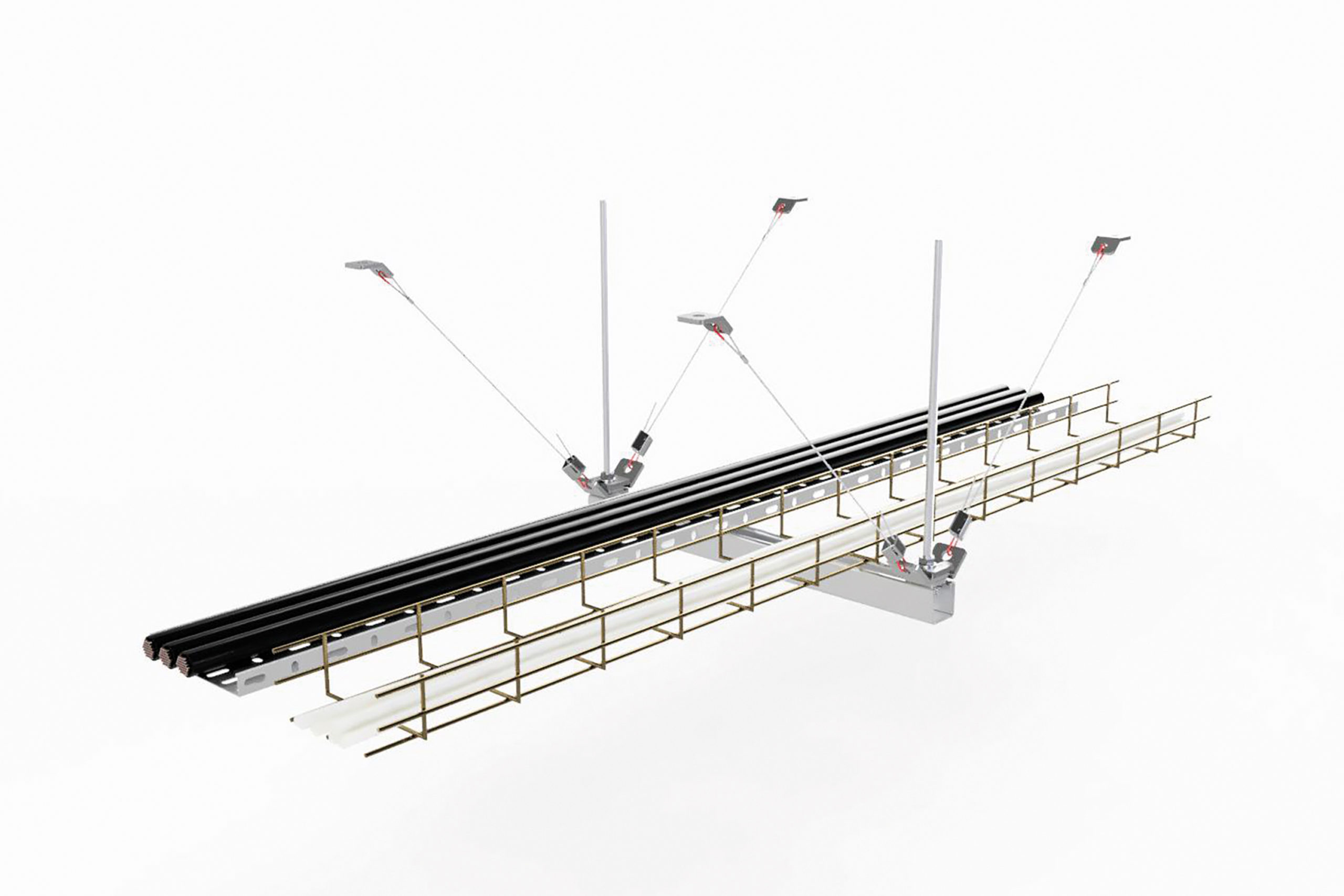
The importance of bracing seismic cannot be understated, especially in regions prone to seismic activities. By incorporating bracing systems into the design and construction of structures, engineers can significantly improve the overall structural performance and resilience to seismic forces. The following are some key reasons why bracing seismic is crucial for structural stability:
1. Enhances Structural Integrity: bracing seismic helps to improve the overall integrity of a structure by providing additional support and reinforcement. During an earthquake, structures are subjected to horizontal and vertical forces that can cause severe damage if not properly braced. By incorporating bracing systems, engineers can effectively strengthen the structural components and prevent them from collapsing under the pressure of seismic forces.
2. Reduces Structural Deformation: Seismic forces can cause significant deformation in structures, leading to cracks, fractures, and failures. bracing seismic helps to limit the amount of deformation that a structure undergoes during an earthquake, thereby reducing the risk of structural damage. By bracing key components of a structure, engineers can ensure that the building remains intact and functional even in the event of a seismic event.
3. Provides Ductility: Ductility is the ability of a structure to deform without losing its strength and stability. Bracing seismic systems are designed to enhance the ductility of structures by allowing them to flex and absorb seismic forces without failing. This is crucial for preventing catastrophic collapses and ensuring that the structure remains standing even after a major earthquake.
4. Improves Occupant Safety: One of the primary goals of bracing seismic is to enhance the safety of building occupants during an earthquake. By strengthening the structural components and reducing the risk of collapse, bracing systems help to protect the lives of individuals inside the building. This is particularly important in high-rise buildings, hospitals, schools, and other structures where large numbers of people may be present during a seismic event.
5. Enhances Building Performance: Buildings that are equipped with bracing seismic systems are better able to withstand the impact of earthquakes and minimize damage. This not only helps to protect the structural integrity of the building but also reduces the cost of repair and reconstruction following a seismic event. By investing in bracing seismic, building owners can ensure that their structures are built to last and remain resilient in the face of natural disasters.
In conclusion, bracing seismic is a critical component of structural design and construction, especially in regions prone to seismic activities. By incorporating bracing systems into buildings, bridges, dams, and other structures, engineers can significantly enhance their resilience to earthquakes and improve the safety of occupants. From enhancing structural integrity to reducing deformation and improving ductility, the benefits of bracing seismic are numerous and essential for maintaining structural stability in seismic-prone areas.